


How Much Does It Cost to Design a Special Purpose Machine in the UK?
Topics:
May 2026
For manufacturers considering bespoke automation, cost is always a central consideration. While much of the discussion typically focuses on the total cost of a machine, a more specific and often less openly discussed question is how much it costs to design a special purpose machine in the UK.
At SP Automation & Robotics, this is a question that arises early in many conversations with manufacturers exploring automation. The answer is not always straightforward, but understanding the role and cost of design is critical to making informed investment decisions.
Design is not simply an early stage activity. It is the phase in which the machine is defined, engineered, and validated. It determines how the system will perform, how it will integrate into production, and ultimately whether it will deliver the expected return on investment.
Transparency and trust between the machine builder and the end customer are paramount when building a machine. If questions are asked on how much of the design is attributed to the overall machine cost, at SP Automation & Robotics we do not see this as an issue. Our approach to this is simple: we would provide a customer with a complete cost breakdown upon request. This not only helps in building trust but also demonstrates our logical thought process, and reassures the customer that the cost is based on facts and minimum assumptions.
Why the cost of design is often misunderstood
One of the most common misconceptions in automation projects is that the majority of cost lies in physical hardware. While components, materials, and manufacturing are significant, they are only part of the overall investment.
At SP Automation & Robotics, experience shows that the true value of a special purpose machine lies in the engineering behind it. Design is where the complexity of a manufacturing process is translated into a working system.
This includes defining how products are handled, how processes are sequenced, how tolerances are maintained, and how the system will operate consistently over time. These are not trivial considerations and they require detailed engineering expertise.
As a result, design represents a meaningful portion of the total project cost, not as an overhead but as a critical investment in performance and reliability.
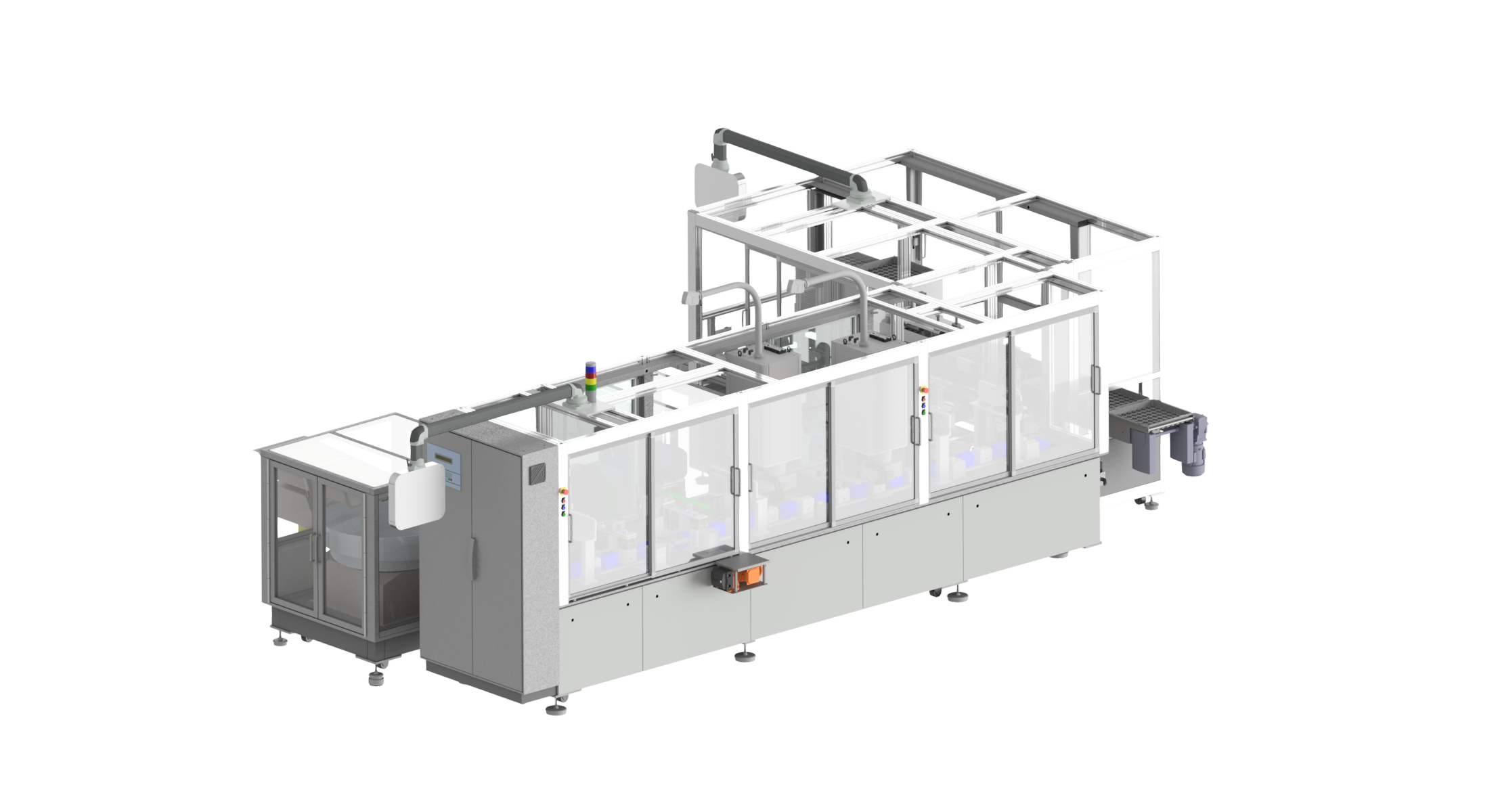
Typical cost of designing a special purpose machine
While every project is unique, there are consistent patterns in how design costs relate to total machine cost.
Based on project experience at SP Automation & Robotics, the design phase typically accounts for 10% to 30% of the overall project value.
In practical terms, this can translate to approximately 10000 to 30000 pounds for smaller systems, around 30000 to 90000 pounds for medium complexity machines, and significantly higher figures for complex multi stage automation systems.
These ranges are not fixed pricing but they provide a realistic framework for understanding how design investment scales with project complexity.

What the design phase involves
To understand why design carries a significant cost, it is important to understand what the process includes.
At SP Automation & Robotics, the design phase is a structured engineering process that moves from concept through to fully defined system specification.
It begins with concept development, where the most appropriate automation strategy is identified. This is followed by detailed mechanical design, where the physical structure and mechanisms of the machine are developed using advanced CAD modelling.
In parallel, controls and electrical design define how the machine will operate, including sequencing, motion control, and safety systems. The design is then reviewed and validated to ensure it meets all functional and safety requirements before manufacturing begins.
This process requires coordination between multiple engineering disciplines and a high level of technical expertise.
Although the above is common in many machine design processes, there are also intermediate steps called proofs of concept (POCs). This is where a certain part of the process requires further investigation and sometimes the creation of a “prototype” to prove that a design concept will work. This is normally established at the proposal stage and is allocated a fixed cost. By doing this, it reduces the customers’ and SP’s risk with a minimum of outlay,
Why investing in design reduces overall project cost
One of the most important and often overlooked aspects of machine design is its impact on total project cost.
At SP Automation & Robotics, experience has consistently shown that investing in a thorough design phase reduces the likelihood of issues later in the project.
When design is rushed or underdeveloped, problems often emerge during manufacture or commissioning. These can include design changes, integration challenges, and performance issues, all of which increase cost and extend timelines.
By contrast, a well developed design ensures that the system is fully engineered before build begins. This leads to a more efficient manufacturing process, smoother installation, and a more reliable machine in operation.
When design is carried out as a standalone phase
In many cases, design is included as part of the overall project cost. However, there are situations where it is carried out as a standalone phase.
At SP Automation & Robotics, this approach is often used when manufacturers are at an early stage of their automation journey and need to understand feasibility before committing to full investment.
By completing the design phase independently, manufacturers can gain clarity on system requirements, cost, and expected performance. This provides a solid foundation for decision making and reduces uncertainty.
Design cost in relation to total machine cost
It is important to view design cost in the context of the overall investment.
A more complex machine will require more detailed engineering, increasing design cost. However, this also ensures that the system delivers the required performance and reliability.
At SP Automation & Robotics, design is not seen as a separate expense but as an integral part of delivering a successful automation solution.
For a broader understanding of total project investment, manufacturers should also consider the full cost of a special purpose machine and how design influences that outcome.
A strategic view of design investment
Ultimately, the cost of designing a special purpose machine should not be viewed in isolation.
At SP Automation & Robotics, design is regarded as a strategic investment that defines the success of the entire system. It determines how effectively the machine will perform, how efficiently it will operate, and how much value it will deliver over time.
By investing in a robust design process, manufacturers can ensure that their automation systems are engineered to meet both current and future production needs.
Final thoughts
The cost of designing a special purpose machine in the UK typically represents 10% to 30% of the total project cost, depending on complexity and requirements.
At SP Automation & Robotics, this phase is recognised as the foundation of every successful automation project. A well executed design ensures that the machine delivers reliable performance, integrates seamlessly into production, and provides long term value.
Follow us on LinkedIn, Twitter & Facebook to stay updated.
Read more about our automation here…
- Benefits of Automation
- The Benefits of Machine Vision Technology
- Robots & Cobots – What is the Difference?
- Robotic Automation
- What is a URS? Why is it Important?
- Cost of Industrial Automation
Contact Us
Frequently Asked Questions
How long does it take to design a special purpose machine?
What is included in the design phase of a bespoke automation machine?
Why does designing a special purpose machine take time?
Can the design phase be shortened?
What factors influence design time?
More information
Here you can find the most important news, blogs and videos from SP Automation & Robotics.. We will highlight developments, insightful industry trends, company announcements, technology expos, conferences, and events.