


Build and Integration: Constructing High-Quality Bespoke Automation Systems
Topics:
March 2026
The transition from detailed design to physical build is where the true character of an automation integrator becomes visible.
In high-value bespoke automation projects, the build and integration phase determines whether engineering intent is translated into durable, reliable machinery or diluted through compromise. Precision in overall build, discipline in electrical assembly and structure in control integration are what separate robust industrial systems from short-term installations.
For manufacturers investing significant capital, this phase is not simply about assembling components. It is about constructing a production asset engineered for continuous operation.
Mechanical Assembly and Structural Integrity
Bespoke automation machinery must be built with mechanical integrity that reflects its operational demands. Structural rigidity, alignment accuracy and repeatability directly influence performance consistency over time.
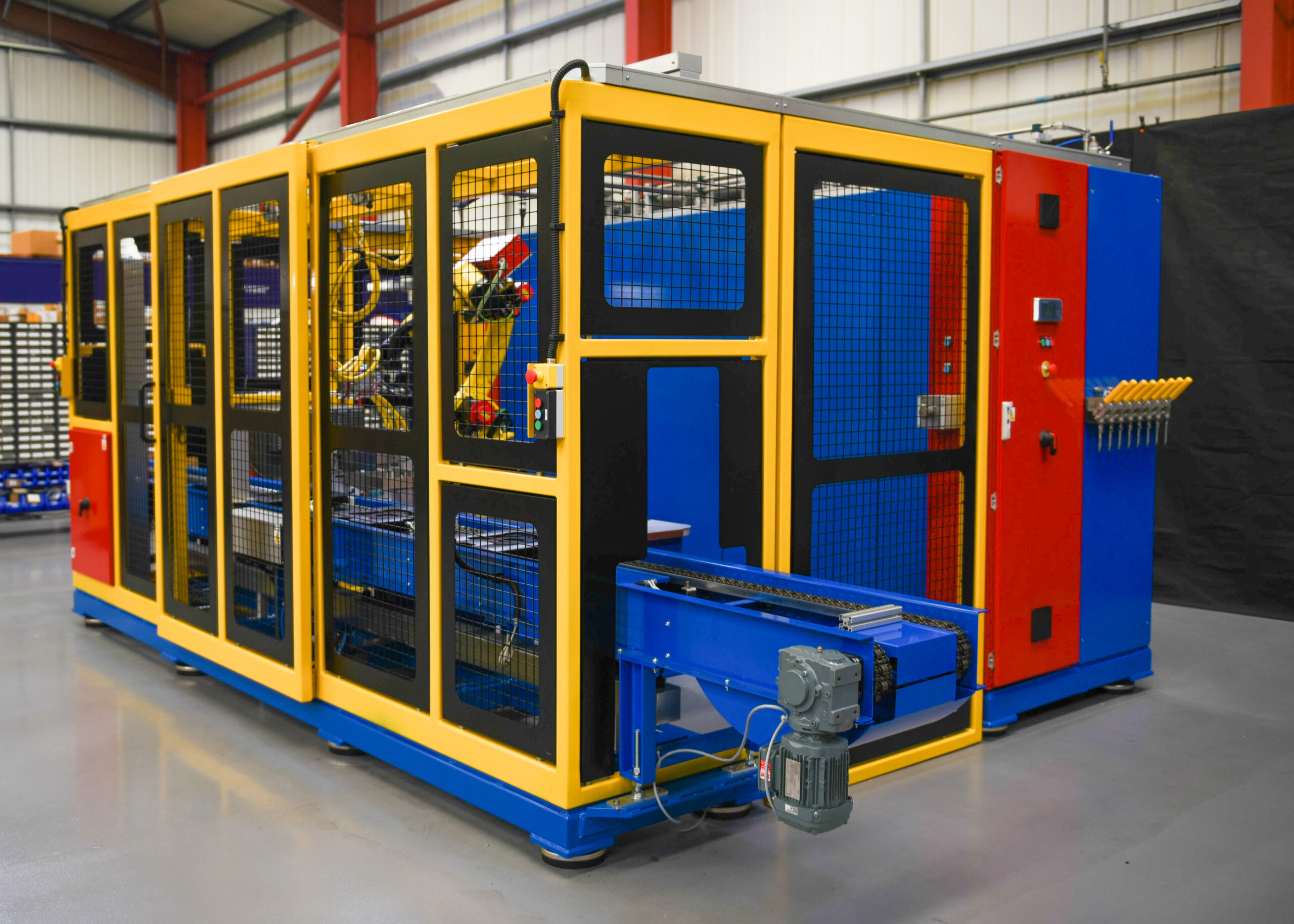
Poorly executed builds introduce vibration, positional drift and premature wear. High-quality build practices, by contrast, ensure that frames remain stable under load, that robot bases are properly anchored, and that tooling maintains repeatable accuracy across extended production cycles.
Attention to detail during the mechanical phase protects cycle performance and reduces the need for long-term maintenance interventions.
At SP, our machines are designed and built with the same logic as the initial concept. Breaking down the process into smaller steps, with machines built from many sub-assemblies, each built and tested offline, helps shorten build and trialling timescales.
Electrical Panel Design and Control Integration
Electrical integration is frequently underestimated in automation projects, yet it is central to reliability and serviceability.
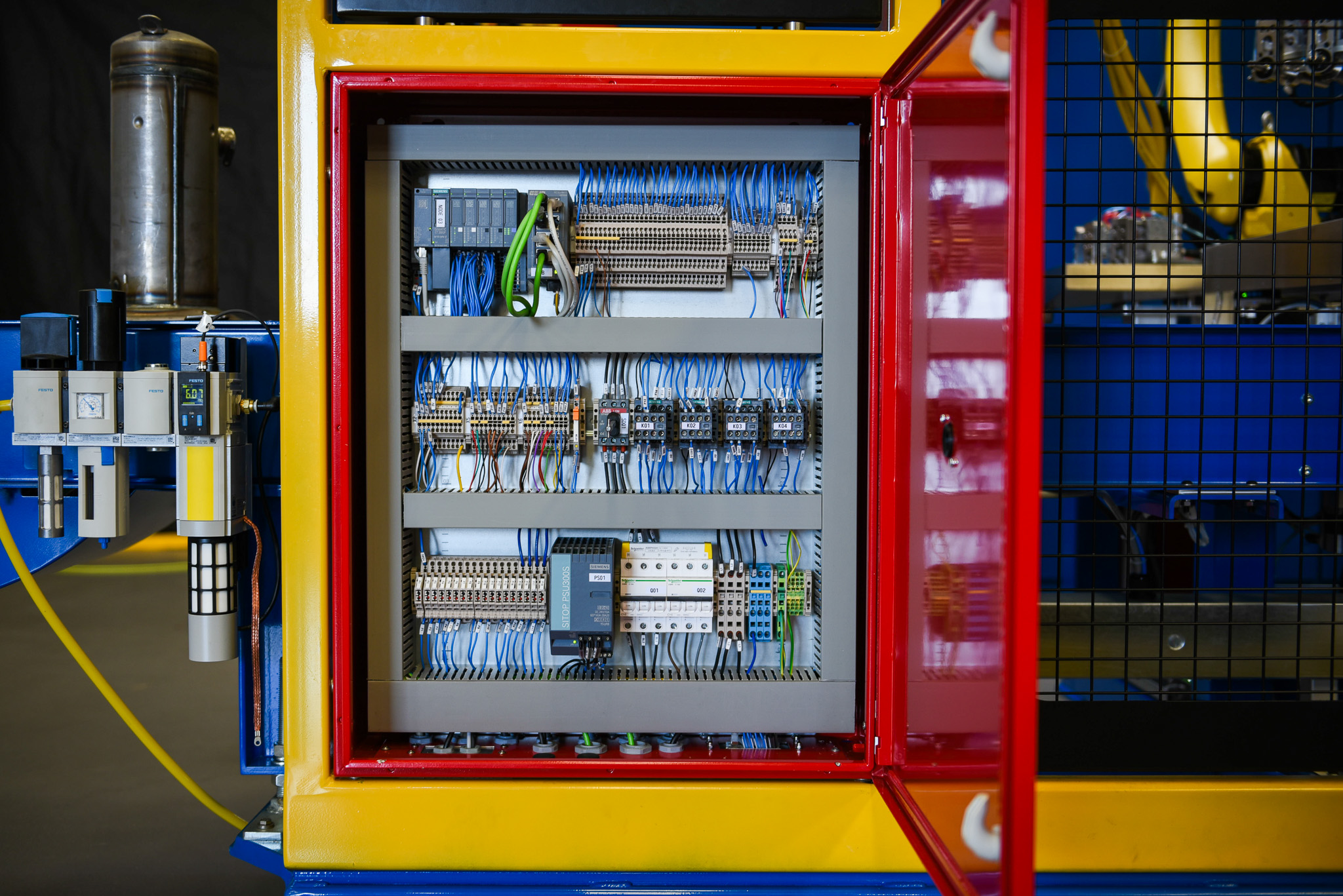
Professional build standards require a structured panel layout, clear segregation of power and control circuits, labelled wiring, accessible terminals and compliance with relevant electrical regulations. Clean cable routing and logical component arrangement are not aesthetic preferences; they reduce diagnostic time and simplify future modifications.
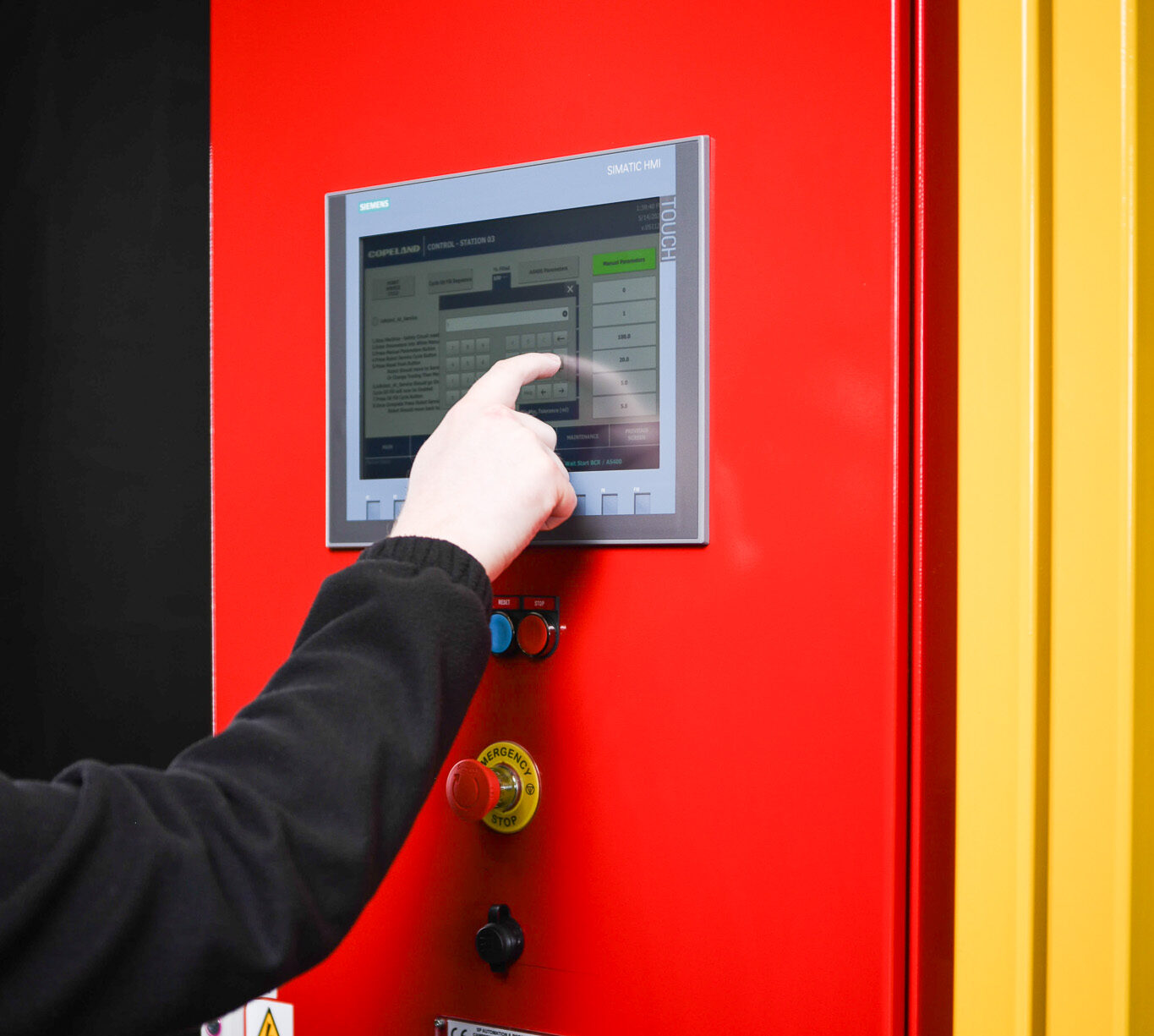
Control integration must also reflect disciplined programming architecture. PLC code structure, safety circuit logic, robot communication protocols and machine interface integration should be clearly documented and modular in design.
When control systems are engineered methodically, commissioning becomes efficient and long-term support becomes practical.
As with any design, SP has to build its control systems to stringent design standards, but also include certain criteria as specified by its clients, which can include numbering systems, I/O capacity, panel expansion, etc. All extremely important parts of any control system design.
System Integration as a Unified Engineering Exercise
True bespoke automation is rarely a single machine operating in isolation. It must integrate seamlessly with existing upstream material handling or downstream inspection processes.
During the build phase, communication protocols, signal mapping and machine interlocks are validated and refined. Integration is not complete until every handshake, timing sequence and fault condition behaves predictably.
High-quality integrators treat system integration as a unified engineering exercise rather than a final-stage connection task. This approach prevents unpredictable downtime after installation.
At SP Automation & Robotics, we conduct in-depth system build checks, well in advance of any SATs or trials. These checks are carried out in stages, from wiring checks on a control panel built offline and PLC checklists at numerous stages, to offline servo configuration and camera systems, also being trailed offline. This is also driven by design architecture and an interconnection diagram, conceived and signed off before any wiring takes place. As technology advances and more communication protocols are “invented”, the need for early testing and validation has never been more important.
Factory Acceptance Testing and Performance Validation
Before any system leaves the SP Automation & Robotics, it should undergo structured factory acceptance testing (FAT’s).
This stage validates mechanical movement, safety circuits, control logic, cycle-time performance, and fault-recovery procedures under simulated production conditions. It is also where performance claims are proven against measurable criteria.
Factory acceptance testing protects both manufacturer and client. It ensures that on-site installation is a controlled transition rather than a troubleshooting exercise.
For high-value bespoke machinery, no system should be installed without documented performance validation. FATs are not where testing begins; they occur after the machine has already undergone trials and checks at various stages of the build. SP’s approach is to ensure that each stage is documented and that pre-FATs are carried out to minimise hidden surprises.
Quality as a Commercial Strategy
The build phase reveals whether an automation provider views quality as a cost or as an investment.
Shortcuts in assembly, documentation or testing may reduce initial expenditure, but they introduce future risk. Downtime, unplanned service calls and premature component replacement ultimately undermine return on investment.
Conversely, a disciplined build process produces systems that operate predictably, require less intervention and maintain production stability for years.
For organisations pursuing a serious automation strategy, build quality is not an optional enhancement. It is a commercial safeguard.
Selecting a Builder, Not an Installer
There is a significant distinction between installing robotic equipment and building bespoke automation machinery.
A builder engineers structural integrity, integrates control architecture with discipline and validates performance prior to deployment. An installer assembles components to achieve immediate functionality.
Manufacturers investing in complex automation should seek partners who demonstrate fabrication capabilities, a structured testing methodology and long-term engineering support.
SP Automation constructs bespoke automation systems with a focus on mechanical precision, electrical integrity and validated performance, ensuring that each installation functions not simply as equipment, but as a reliable production asset. Project control and management, as well as open and transparent communication between SP Automation & Robotics and its customers, are crucial and part of what makes a successful project.
Follow us on LinkedIn, Twitter & Facebook to stay updated.
Read more about our automation here…
- Benefits of Automation
- Automation Feasibility Studies
- Automation System Design and Risk Assessment
- Build and Integration of Bespoke Automation Systems
- Installation and Commissioning of Industrial Automation Systems
- Operator Training, Handover and Long-Term Automation Support
- Automated Medical Device & Assembly Systems
- Medical Device Material
- Part Handling and Part Feeding Vibratory Bowl
- Cost of Industrial Automation
Contact Us
More information
Here you can find the most important news, blogs and videos from SP Automation & Robotics.. We will highlight developments, insightful industry trends, company announcements, technology expos, conferences, and events.